


With FaiveleyTech, sustainable commitment becomes a reality
Concrete actions for sustainable development, inclusion, governance and commitment to our employees.
We have defined five pillars of commitment aligned with six main Sustainable Development Goals (SDGs) set by the UN, which guide our ambition and actions towards a more equitable and sustainable future.
Pillar No. 1
Being an employer committed to the health, wellbeing and development of our employees.
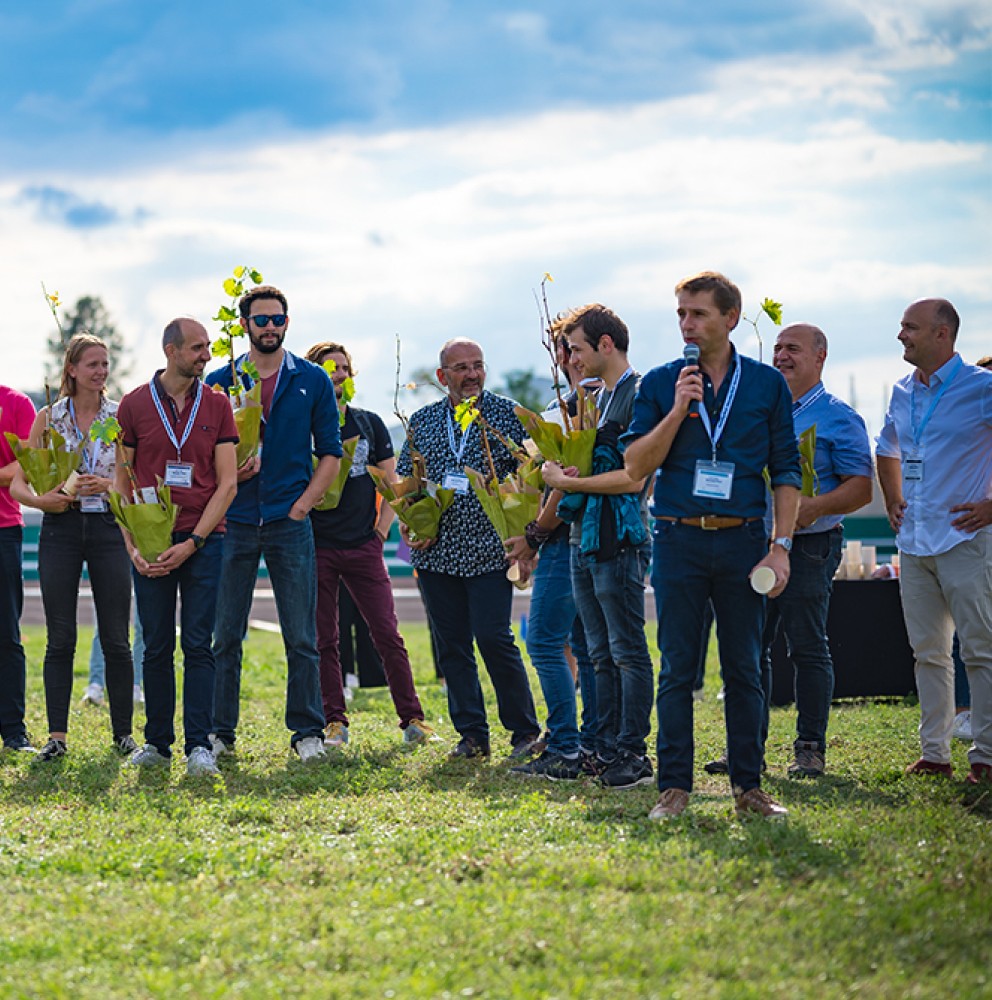
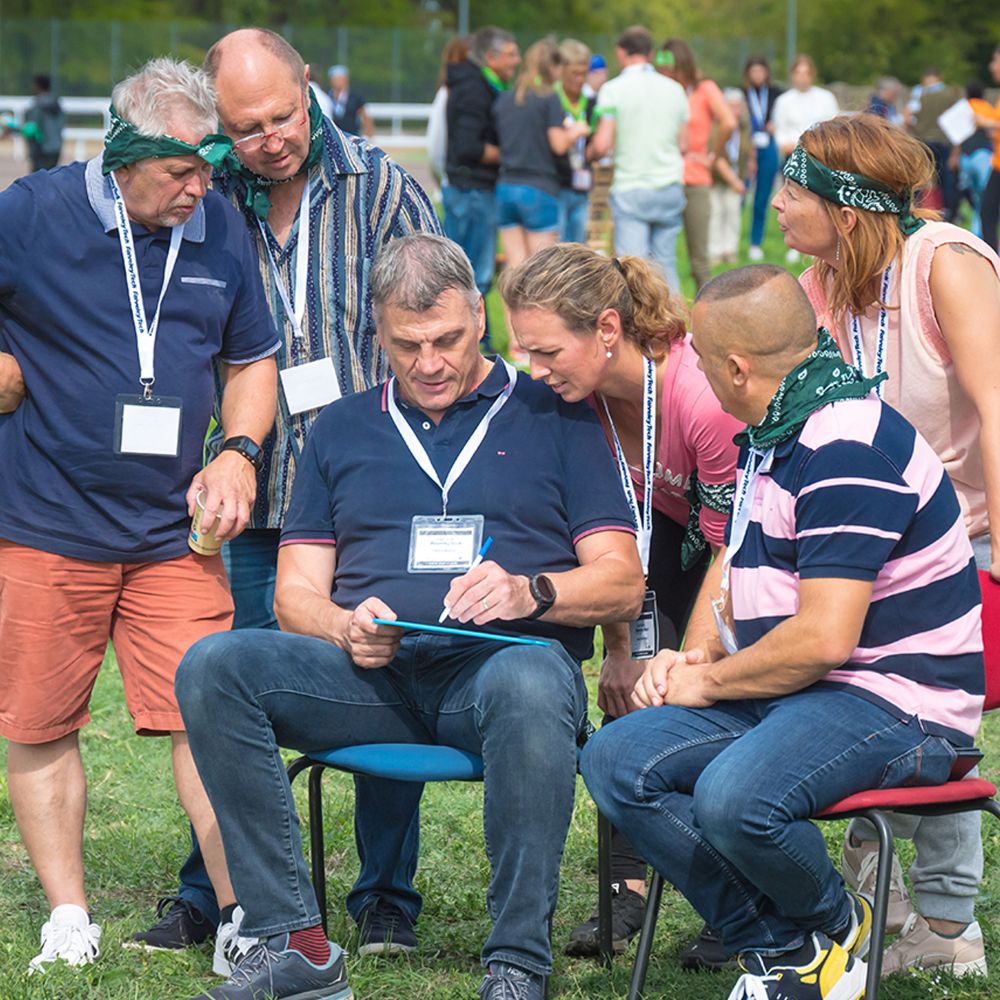
FaiveleyTech values its employees as central to its success and is committed to promoting their health, wellbeing and development.
The group strives to provide a safe working environment, with a zero accident target, and guarantees comprehensive social security coverage for all its employees. We also offer training programmes and internal mobility opportunities to encourage professional development. Communication and listening are essential, with regular surveys to gather employee feedback.
Finally, FaiveleyTech encourages environmental commitment by involving its teams in sustainability initiatives, such as reducing energy consumption and waste sorting.
2030 objectives
Employee pride and sense of belonging (%)
Skills development (% of employees trained every 2 years)

Pillar No. 2
Pursuing a responsible purchasing policy
FaiveleyTech adopts a responsible purchasing approach by integrating social, environmental and ethical criteria into its processes.
The group favours local suppliers in order to support regional economies and reduce its carbon footprint. We select partners who comply with strict social and environmental standards and are committed to reducing greenhouse gas emissions by optimising production and transport with our suppliers.
Finally, FaiveleyTech encourages its suppliers to improve their CSR performance through regular audits and training.
2030 objectives
Regional purchasing (%)
Purchases covered by our purchasing charter (%)
Pillar no. 3
Accelerating the decarbonisation of our sites (Scope 1 and 2)
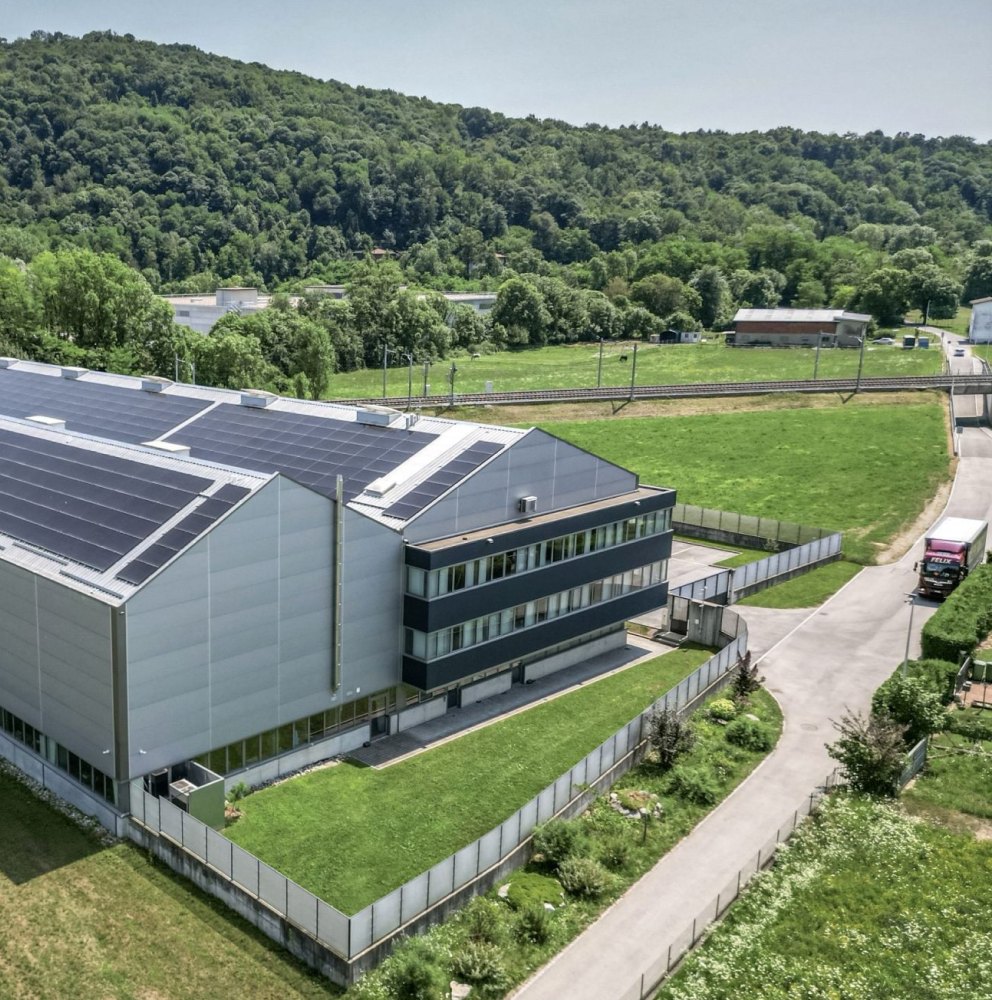
FaiveleyTech is committed to reducing its carbon footprint across its production sites, targeting direct emissions (Scope 1) and indirect emissions related to building energy consumption (Scope 2). The group regularly measures its carbon footprint to identify areas for improvement. We implement concrete actions to reduce energy consumption by investing in more efficient technologies.
In addition, FaiveleyTech is taking action on building emissions by improving insulation, modernising heating systems and favouring renewable energies.
2030 objectives
Carbon footprint assessments completed (%)
Electrification of injection moulding press fleet (%)

Pillar no. 4
Creating sustainable solutions for our customers
FaiveleyTech commits to developing solutions for reducing its customers’ environmental impact. The group aims to obtain CSR certifications and assessments such as EcoVadis to guarantee responsible practices. We will implement circular strategies for plastics to recycle and reuse this material in our products.
FaiveleyTech will also offer low-carbon solutions, with more energy-efficient products that reduce CO2 emissions.
Finally, the group will invest in research into sustainable materials, favouring environmentally friendly and recyclable alternatives to fossil-based plastics.
2030 objectives
Sales offers with carbon footprint measurement (%)
Share of turnover generated with non-virgin fossil-based plastics (%)
Pillar 5
Towards a regenerative economy
As a participant in the Business Climate Convention, the FaiveleyTech group intends to continue its exploration and experimentation to develop a regenerative business model. The ambition of this new economy is to move from a linear extractive model to a circular economy ‘by design’, capable of generating positive impacts on the environment and people. It is based on the founding principles of living strategies to ensure the resilience and robustness of the system.
Strategic objective: Regenerate natural resources & preserve biodiversity.